 Emily Hartley
The first time you watch a slot reel spin, it feels like pure randomness. The second time, if you're paying attention to your bankroll, it feels more like a slow leak. Somewhere between those two moments sits the entire truth about iGaming: it's a math game dressed up as entertainment, and the players who last are the ones who understand which parts are skill, which are chance, and which are just clever design.
Let's pull back the curtain on four corners of the industry — slots, table games, poker, and sports betting — and talk about what actually separates a fun session from a frustrating one.
The Smiling Villain: RTP, House Edge, and Why Slots Feel Generous
Open any modern slot and you'll eventually find an RTP number buried in the paytable: 96.2%, 94.5%, 97.1%. That figure is the theoretical return to player over millions of spins. It is not a promise for your session. A 96% RTP slot keeps roughly four cents of every dollar wagered over the long run — a house edge that looks tiny until you realize the average player spins hundreds of times per hour.
Consider two popular styles of slots:
- High-volatility slots like the classic Book of series pay less often but can deliver massive multipliers. Bankroll swings are brutal.
- Low-volatility slots like many Megaways-light titles hit small wins constantly, keeping you afloat but rarely transforming a session.
Neither is better. They're different tools. If you have a $50 bankroll and want two hours of play, low volatility is your friend. If you're chasing a headline win, high volatility is the only lane that gets you there — and the odds say you'll probably leave empty.
A practical tip on picking slots
Ignore the theme. Check three things instead: RTP (aim for 96%+ if the game offers it), volatility (match it to your session length), and max win (a 5,000x game versus a 50,000x game are fundamentally different experiences). One more thing — bonus buy features often come with a lower effective RTP than the base game. Always read the fine print.
Table Games: Where Discipline Actually Pays
Blackjack and baccarat remain the two smartest bets in the building for a casual player, precisely because their edges are so low. Basic-strategy blackjack can push the house edge down to 0.5%. Baccarat's banker bet carries a 1.06% edge and requires zero decisions — which is either boring or freeing, depending on your personality.
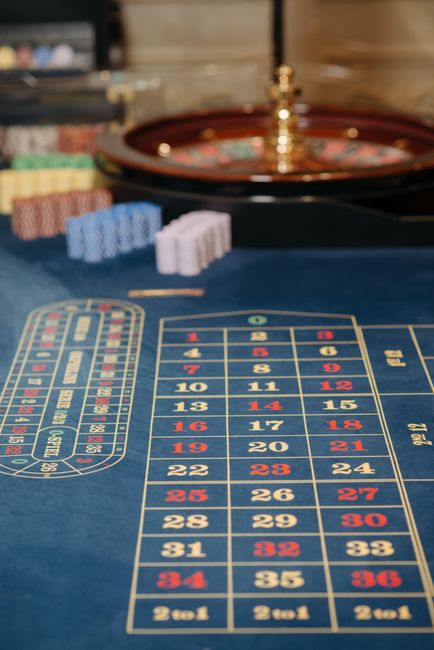
Roulette is the outlier. European single-zero wheels hold a 2.7% edge. American wheels with the double zero leap to 5.26%. That extra pocket nearly doubles the house's take. If you're playing American roulette, you're paying a tax the casino didn't have to charge. Further details are available through สล็อตเว็บตรง.
Here's how a thoughtful table-game player approaches a session:
- Set a stop-loss and a win target before sitting down — say, $200 loss and $150 win.
- Choose a table with rules that favor you: 3:2 blackjack payouts, dealer stands on soft 17, single-zero roulette.
- Stick to flat betting or a mild progression. Martingale systems fail because table limits exist.
- Leave when you hit either target. The math doesn't care about your feelings, but your bankroll does.
Poker: The One Game the Casino Doesn't Care If You Win
Poker is unique in iGaming because you're not playing the house — you're playing other people, and the house just skims a rake. That single fact changes everything. Skilled players can genuinely win long-term, which is why poker forums are still full of people arguing about hand ranges in 2025.
The modern online game is tougher than the boom years. Solvers and training tools have compressed the edge between good players and great ones. To stay profitable today you need three things:
- A preflop strategy you can execute without thinking, because that's where most marginal players leak money.
- Positional awareness — a button steal against tight blinds is worth more than a heroic call with ace-king out of position.
- Bankroll management. Serious cash-game players keep at least 20–30 buy-ins for the stakes they play, and tournament players often want 100+ buy-ins.
If you're new, micro-stakes sit-and-gos and low buy-in tournaments remain the cheapest classrooms online. You'll lose less in a month of $2 tournaments than in an evening of $1/$2 cash.
Sports Betting: The Line Is Smarter Than You
Here's a fact that humbles most recreational bettors: the closing line in a major market like the NFL or Premier League is roughly 95–98% efficient. Bookmakers and sharp bettors collectively price it brilliantly. If your picks consistently beat the closing number, you're genuinely good. If you're guessing, the vig — usually 4% to 5% per bet — quietly drains your account.
The best strategy for recreational bettors isn't finding winners; it's finding value. That means:
- Shopping multiple sportsbooks for the best price. A half-point in an NFL spread can be the difference between a winning and losing season.
- Betting markets you actually understand. Prop bets on obscure sports are entertainment, not edge.
- Tracking every bet in a spreadsheet. Two months in, the numbers will tell you things your memory won't.
Common Ground: Bonuses, Psychology, and Knowing When to Stop
Every corner of iGaming uses the same psychological toolkit. Welcome bonuses with wagering requirements of 35x, free spins tied to specific slots, cashback on losses — all designed to extend session time. None of these are traps if you read the terms. A 100% match bonus with 40x wagering on a 96% RTP slot is still roughly break-even at best, and often worse, depending on the game weighting.
The most useful habit you can build is logging out. Set a timer. Disable auto-spin. Use deposit limits even when you don't think you need them.
The industry is built on the fact that most players don't do the math. That's not a moral failing — it's the design. But the moment you start treating iGaming like an equation with real numbers, real variance, and real time on the clock, you stop being the customer the house is counting on. You become something rarer and far more interesting: someone who plays on their own terms.


